
"tropical coffee"
16000 article(s) found

Hawaiian Kona washed coffee beans, will the hands be sour? how to flush out the tropical fruit?
Professional coffee knowledge exchange more coffee bean information Please follow Coffee Workshop (Wechat official account cafe_style) the world-famous Hawaiian Kona is a mellow and sour coffee bean, the unique growth and climatic environment make Hawaii Kona perfect taste: the taste of Hawaiian beach, monsoon and volcano. The Kona coffee beans from Hawaii are the most beautiful coffee in the world.

Coffee belt coffee trees grow at the center of the equator
Coffee trees grow in tropical or subtropical agricultural gardens centered around the equator and called coffee belts. Most of the coffee production is between the Tropic of Cancer, 25 degrees north of the tropical or subtropical equator and 30 degrees south of the equator. An area with an annual average temperature of 16-25 degrees Celsius, no Frosts Descent and rainfall of 1600-2000 mm. At present, coffee is mainly produced by seven countries.

A brief introduction to the advantages and disadvantages of washing Hero Coffee beans as sour and Sweet Coffee beans as Tropical fruits
Professional coffee knowledge exchange more coffee bean information please follow the coffee workshop (Wechat official account cafe_style) front street-about Ethiopian washing heroes washing method can remove impurities (stone or garbage, etc.) and defective beans through each step, so the appearance of raw beans is more consistent, is generally regarded as high-quality coffee, the trading price is also more natural drying refined coffee

Brazilian Coffee Bean Features Grades and Stories
Pay close attention to coffee comment (Weixin Official Accounts vdailycom ) and find that a beautiful coffee shop opens its own small shop Brazilian coffee beans Brazilian coffee beans refer to all coffee beans grown in Brazil. In addition to Sanduo Division, Brazilian beans are mostly cheap coffee. Mixed coffee beans that can be used for mass production, mostly for heavy roasting. The main ingredient of instant coffee is Brazilian coffee beans. coffee

Boutique Coffee Science detailed explanation of Coffee Belt (COFFEE WORLD MAP)
Coffee trees grow in tropical or subtropical agricultural gardens centered around the equator and called coffee belts. Most of the coffee production is between the Tropic of Cancer, 25 degrees north of the tropical or subtropical equator and 30 degrees south of the equator. An area with an annual average temperature of 16-25 degrees Celsius, no Frosts Descent and rainfall of 1600-2000 mm. At present, coffee is mainly produced by seven countries.

Coffee Belt (COFFEE WORLD MAP) Coffee trees grow around the equator
Coffee trees grow in tropical or subtropical agricultural gardens centered around the equator and called coffee belts. Most of the coffee production is between the Tropic of Cancer, 25 degrees north of the tropical or subtropical equator and 30 degrees south of the equator. An area with an annual average temperature of 16-25 degrees Celsius, no Frosts Descent and rainfall of 1600-2000 mm. At present, coffee is mainly produced by seven countries.

The higher the altitude, the better the coffee beans?
The higher the altitude, the better are the coffee beans grown in Central America? the rating of Central American coffee is based on the altitude at which coffee grows. For example, SHB (Strictly Hard Bean) is the term for Guatemalan coffee beans, indicating that coffee grows above 4500 feet. Mexico is called Altura, which means high in Spanish, which means high-altitude coffee; Papua New Guinea has

Description of Brazilian Coffee Flavor with smooth taste introduction to Culture of planting Environment of varieties in producing areas
In terms of natural conditions, Brazil is in the tropics, with a tropical rain forest climate in the north, hot and humid all the year round, suitable for tropical crops, coffee trees are sunny crops, and sufficient sunlight is the condition for their growth. Historically, Brazil has been a Portuguese colony for a long time. In order to meet the needs of Western Europe, Brazil has been planting single crops for a long time and developing tropical plantation economy.

Introduction of Guatemala Antigua Coffee with rich taste
Guatemala is located in the tropics, the northern and eastern coastal plains have a tropical rain forest climate, the southern mountains have a subtropical climate, the year is divided into two dry and wet seasons, with the wet season from May to October and the dry season from November to April of the following year. The narrow and fertile flatlands on the Pacific side of Guatemala have a tropical climate. The central plateau is also the cultural center of Guatemala, where the year-round temperature ranges from 1300 to 1800 meters.

Panamanian Emerald Manor Palmyrakaduai Coffee Panamanian Emerald Manor Rose Summer
Rainforest Alliance RFA (Rainforest Alliance) is certified as a non-profit international non-governmental environmental protection organization whose mission is to protect the global ecosystem and the human and wildlife that make a living by changing land use patterns, business and consumer behavior. Tropical Rainforest Certification Rainforest Alliance RFA (Rainforest Alliance) Certification refers to compliance with rainforest

Brazilian coffee bean brand, introduction to the characteristics of Brazilian coffee beans
Following Cafe (Wechat official account vdailycom) found that Fairview Cafe opened a small shop of its own Brazilian coffee bean brands Brazil: Santos, Bahia, Cerrado, Mogiana the characteristics of Brazilian coffee beans Brazilian coffee beans refer to all coffee beans grown in Brazil, except for more than three companies.

A brief introduction to the Origin, Development, History and Culture of Fine Coffee beans in kotowa Manor of Panama with tropical fruit aroma
Palmyra (Rainforest Alliance Certification) this brand of coffee is grown in Catuai near the Baru Volcano Park. It has a typical Panamanian Bouqete high-altitude coffee flavor. Sour will not be too exciting, sweet nuts and vanilla chocolate flavor. S of nuts, Palmyra is actually the highest yield of La Esmeralda coffee, accounting for about 70% of the whole family coffee output complex floral aroma

Fine Coffee Ethiopian Coffee Culture sets out from Ethiopian Culture
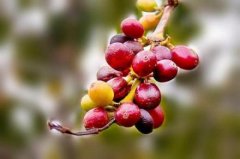
Coffee trees are very similar to laurel and usually grow between the Tropic of Cancer and the Tropic of Cancer. A coffee tree usually grows for about three to four years before it begins to bear fruit. the fruit is a red berry and a small number of yellow berries. After drying and removing the pulp, the coffee beans can be separated. There are shadows of coffee beans all over the world, as long as the climate is right.

Tropical fruit-flavored Nicaraguan coffee growing environment brewing method production process wind
In many countries, coffee production will be seriously affected for political reasons. Nicaraguan coffee industry is no exception. The 1979 revolution forced coffee planters to flee to Miami. A period of indecision followed, when the government considered whether to redistribute land (including many plantations), which led to a shortage of coffee and a decline in production since the early 1970s
Which kind of coffee beans are good to drink by hand? Sidamo water washes heroes tropical fruits with bright sour aromas.
Professional coffee knowledge exchange more coffee bean information please follow the coffee workshop (Wechat official account cafe_style) Front Street-Ethiopia washed Hero Coffee introduction during the harvest and treatment season (December-January) its unique growing environment and natural climate have created Sakuran's unique flavor. When the sugar content of the picked red fruit is more than 30, it is necessary to start sun treatment. For the first two days of the sun,

Tropical climate features Rwandan coffee flavor, characteristics, taste and manor introduction
Since the 1920s, Arabica coffee grown in Rwanda has been famous for its unique fruit sweetness and rich grass aroma. In recent years, the Rwandan government has taken positive measures to vigorously promote coffee production, set up coffee production cooperatives in various places, and give technical guidance and financial support to farmers, so that coffee production has made considerable progress. University of Rwanda

Sillvia coffee is treated with Solkiln with a strong tropical fruit flavor Ninety Plu.
Sillvia Solkiln N2 Sillvia Solkin N2 Sillvia Solkin N2 name Origin: Sillvia Coffee is the result of the first Solkiln treatment of coffee from plot 11 in Rosa Manor Lane in 2012. All the coffee in this plot was processed at the same time, but in the end only 25 kilograms of coffee with special flavor was successfully obtained. In 2013, we have to
Brazilian coffee beans are also the main raw materials of instant coffee.
Brazilian coffee beans include all coffee beans grown in Brazil. Except for Sanduo, Brazilian beans are mostly cheap and good coffee. Can be used for mass production of comprehensive coffee beans, most of which are re-roasted. The main raw material of instant coffee is also Brazilian coffee beans. When the coffee bean germ is very fresh, it is artificially refined and naturally dried in the vulva for about 60-70 days to make the fruit

Introduction to the characteristics of Ethiopian Coffee beans Solar Yega Flavor is rich in tropical fruit flavor and high sweetness
Professional Coffee knowledge Exchange for more information about coffee beans please follow the front street of Coffee Workshop (Wechat official account cafe_style)-about Ethiopian Coffee Ethiopia Ethiopia is probably the most eye-catching of all coffee-producing countries. In addition to the unique and outstanding coffee produced in the country, the mysterious legends related to the local coffee add to its charm. With the scent of unrestrained flowers

Introduction to the flavor, characteristics, taste and manor of Rwandan coffee with tropical climate characteristics
Since the 1920s, Arabica coffee grown in Rwanda has been famous for its unique fruit sweetness and rich grass aroma. In recent years, the Rwandan government has taken positive measures to vigorously promote coffee production, set up coffee production cooperatives in various places, and give technical guidance and financial support to farmers, so that coffee production has made considerable progress. University of Rwanda